Preparing for the Setup of a Large Rental LED Display Using the D Series
1. Site Survey and Preliminary Planning
Before the display is transported to the venue, a detailed site survey must be conducted:
-
Space and Entry: Confirm the transportation route, elevator dimensions, and stage rigging points.
-
Viewing Distance: This determines the pixel pitch selection. For example, the D series offers specifications such as P2.6 and P3.9, suitable for different needs ranging from close-range meetings to long-distance performances.
-
Shooting Effects: Many performances involve live broadcasting and large-screen transmission. The D series, with its 7680Hz ultra-high refresh rate, avoids the issues of moiré patterns or flickering in broadcasts.
2. Power Planning and Distribution
Large rental screens consume a significant amount of power, so the power system must be planned in advance:
-
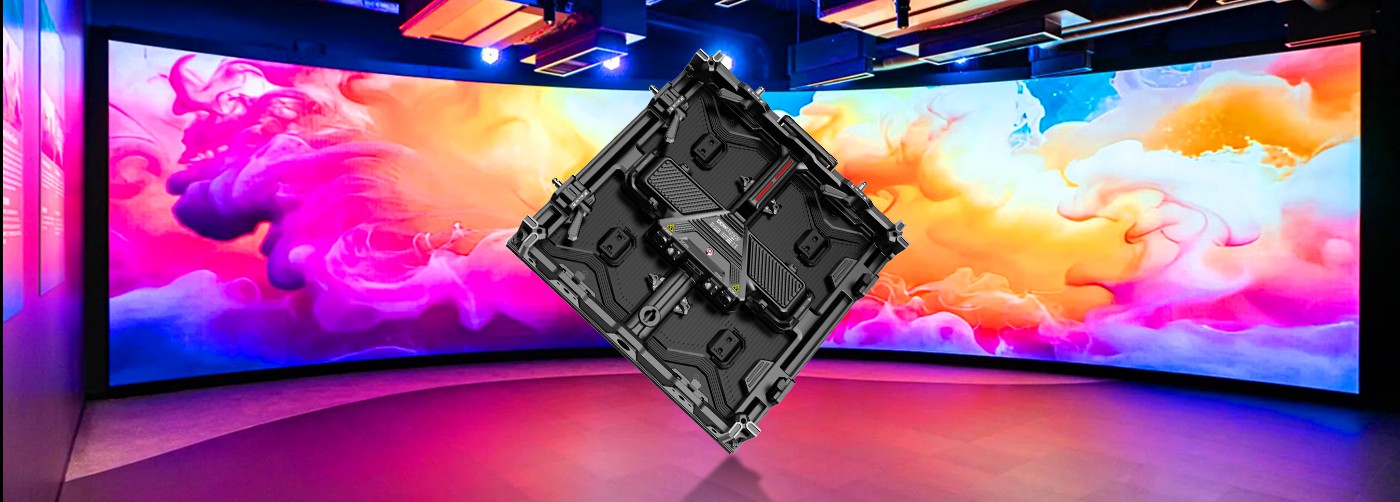
Power Assessment: The D series has an average power consumption of approximately 250W/㎡, with a maximum power consumption of 650W/㎡. A separate power distribution is required for screens larger than 100㎡.
-
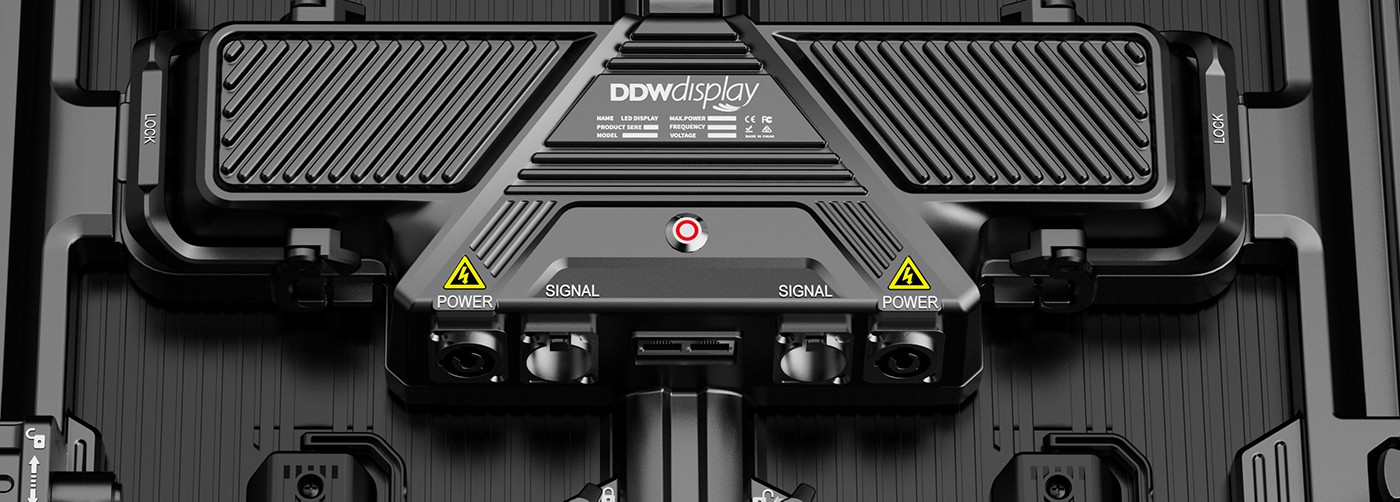
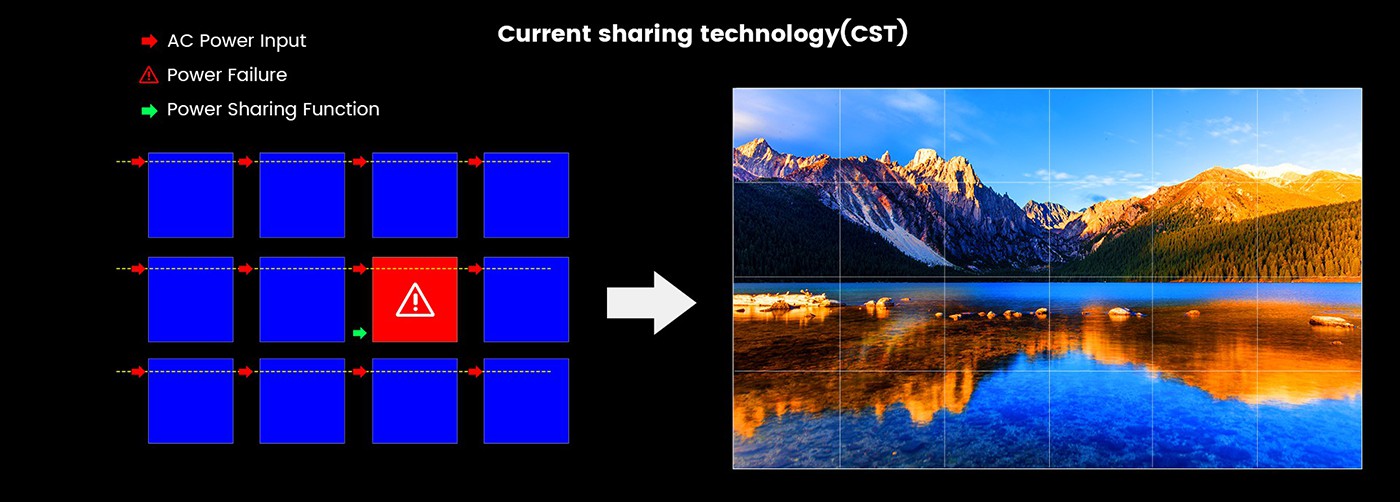
Stable Power Supply: The D series supports dual power backup. In case of sudden power failure or power module malfunction, the backup power can take over immediately to ensure continuous operation.
-
Wiring Safety: Cables should be routed away from audience paths and insulated and protected accordingly.
3. Structural Setup and Safety Protection
Structural support is often the most overlooked but most critical aspect of rental events:
-
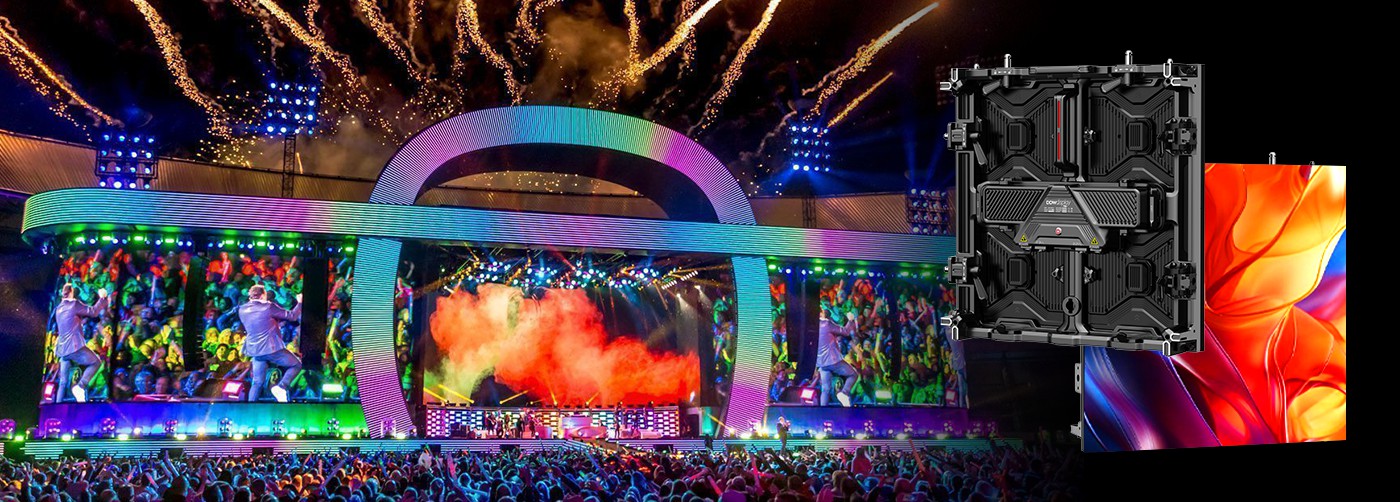
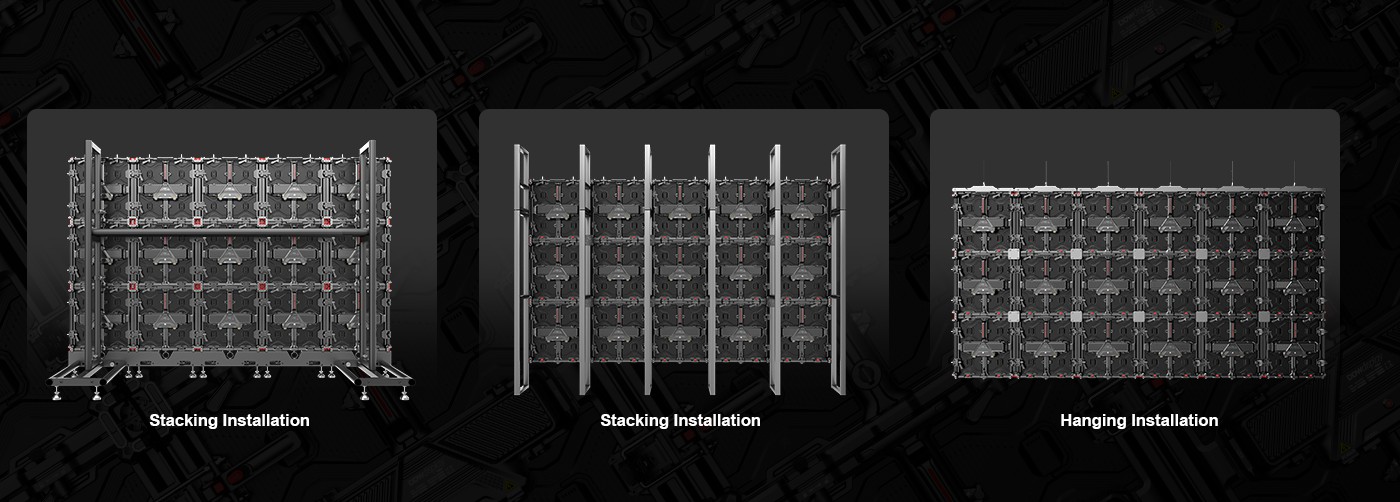
Trusses and Rigging: The load-bearing capacity must be calculated based on the total weight of the screen. The D series adopts die-cast aluminum cabinets, which are lightweight but have very high strength, making them suitable for long-term tours and frequent setups.
-
Safety Locks: The D series cabinet locks are reinforced to ensure firm connections, preventing them from loosening during high-altitude or vibration situations.
-
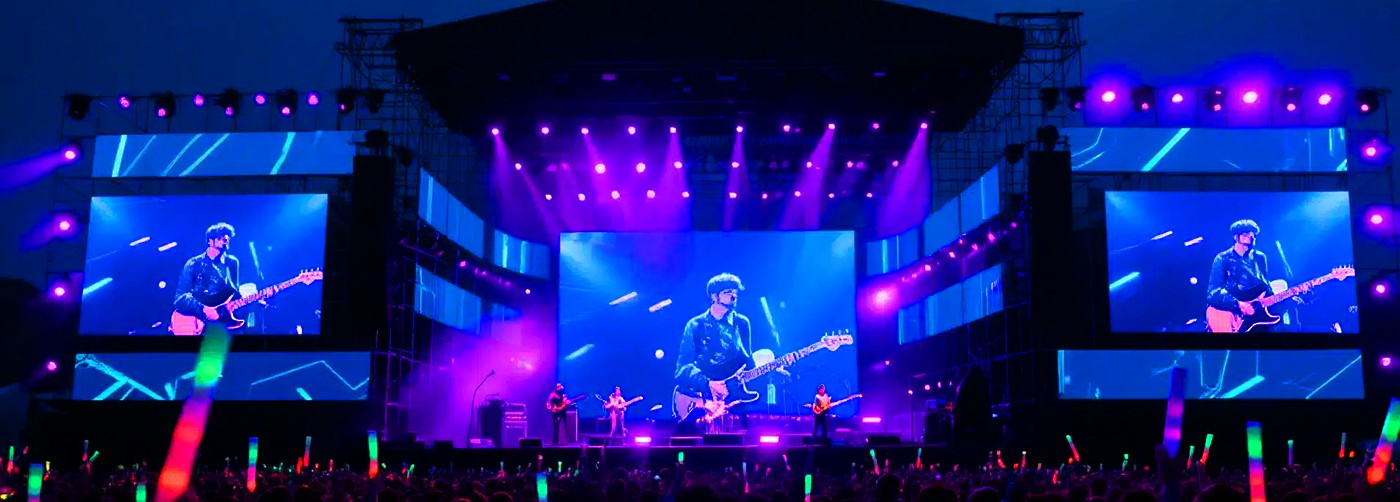
Appearance and Stage Design: The D series cabinets have a minimalist European and American style, enhancing the overall stage effect after installation.
4. Signal Transmission and System Redundancy
In large events, signal transmission must include redundant backup systems:
-
Main Control System: The D series is compatible with professional control systems such as Nova and Colorlight, allowing for large-scale splicing and ultra-high-definition playback.
-
Dual Card Redundancy: It comes with dual receiving card backups that automatically switch when the main card fails, preventing the screen from going black.
-
PCB Design: The D series uses 4-layer, 1.6mm thick PCBs, improving signal transmission stability and resistance to interference.
-
High Gray-Scale Performance: The 16-bit gray-scale levels ensure more detailed images, maintaining clarity even in low-light or high-contrast environments.
5. Installation, Debugging, and On-Site Collaboration
The value of a rental screen is not only in the display quality but also in efficiency:
-
Quick Installation: The D series modular fast-lock structure allows for installation by a single person with high splicing accuracy.
-
Alignment and Debugging: On-site calibration can be done for each cabinet to achieve seamless splicing.
-
Brightness and Angle: The D series can reach a brightness of up to 4500cd/㎡, ensuring clarity even under the outdoor sun. The tilt angle can also be adjusted based on the audience's position to ensure the best viewing effect.
-
Team Collaboration: It is recommended to complete a full process test before the rehearsal to confirm audio-video synchronization.
6. Content Preparation and Playback Management
The effect of a large screen depends greatly on content management:
-
Material Adaptation: Prepare materials according to the screen resolution to avoid stretching and distortion.
-
Live Broadcast and Multi-Signal Switching: The D series supports multi-channel input, meeting the needs of real-time switching on-site.
-
Emergency Plan: It is advisable to prepare a backup video that plays in a loop, which can automatically switch in case of an emergency.
7. Common Issues and Emergency Measures
-
Black Screen Issues: Usually caused by power supply or control card failure. The D series dual power + dual card backup solution effectively mitigates these risks.
-
Flickering Screen Issues: This may be due to loose connections or module malfunctions. The D series standardized modules can be quickly replaced, minimizing repair time.
-
Transportation Damage: The sturdy cabinet design and professional packaging reduce the risk of damage during transportation.
Setting up a large rental LED display is a complex project involving multiple systems and processes. From preliminary site planning to wiring installation, structural safety to signal backup, every step impacts the final stage effect.
The D series rental LED display offers a high-performance, efficient, safe, and stable solution, with features such as 7680Hz ultra-high refresh rate, dual power and dual card redundancy, 16-bit gray scale, 4-layer PCB stable design,
sturdy die-cast aluminum cabinets, and European-American style appearance, providing global clients with a comprehensive solution for efficient setup, stable operation, and stunning presentations.
As a professional manufacturer specializing in the research and production of rental LED displays, we not only offer high-performance products but also provide a full range of services, including solution design, technical support,
rapid delivery, and after-sales guarantee. We are committed to helping clients achieve efficient setup, stable operation, and impactful displays at every event.
Rotating LED Display Screens in Advertising Rental Activities
Features of Rental Event-Specific Lifting LED Screens
Related Article