Features of Rental Event-Specific Lifting LED Screens
I. Basic Concepts
2. Structure and Operating Principle
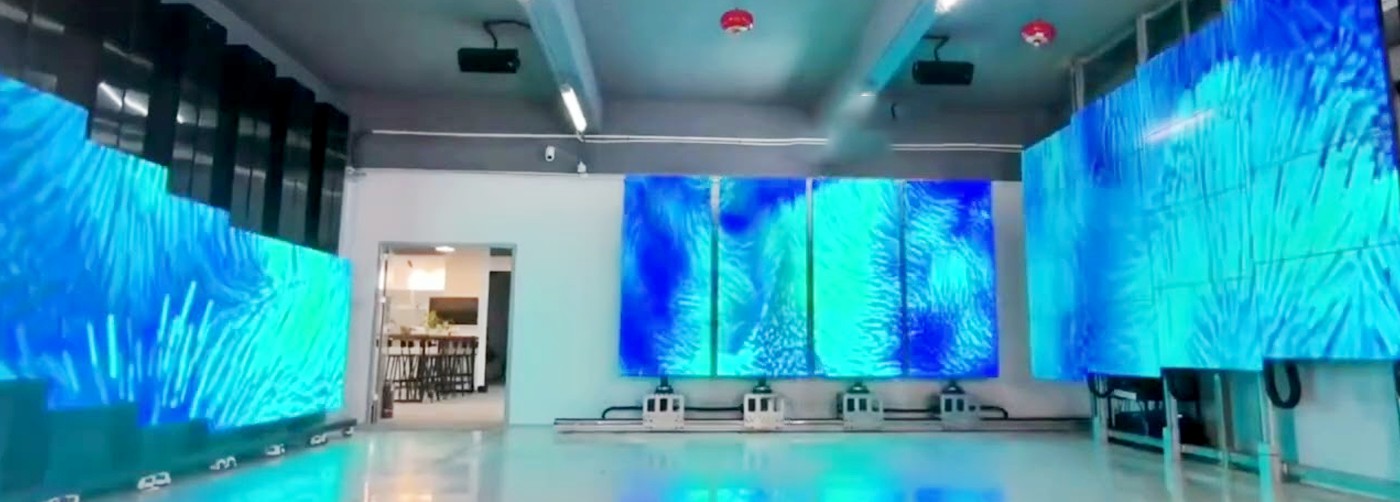
Structural Components Screen: Consists of rental LED modules and a cabinet, making them lightweight and quick to assemble and disassemble.
Mechanical System: Typically utilizes electric hoists, chain mechanisms, and hydraulic systems to ensure stable lifting of the screen.
Control System: Operated by a stage control console or a dedicated lifting controller, they enable precise positioning and synchronization with lighting and sound effects.
Operational Method
Single-Screen Overall Lift: The entire screen moves smoothly up and down.
Multi-Screen Independent Lift: Multiple screens can be controlled separately, creating staggered or layered effects.
Synchronized Motion: Synchronizes with the rhythm of stage lighting and sound, creating an immersive atmosphere.
3. Technical Features
Dynamic Change Enhances Stage Performance
The lifting action breaks the monotony of a fixed large screen, imbuing the stage with a sense of movement and depth.
Lightweight Modular Design
The enclosure is typically constructed of die-cast aluminum, making it lightweight, easy to transport, and quick to install, meeting the needs of the rental market.
High-Precision Control
The lifting height can be precisely adjusted to within millimeters, ensuring the safety and continuity of stage performances.
Safety and Stability
Equipped with a fall prevention device, a limit protection system, and an electronic lock, the large screen ensures stability and reliability during high-altitude movement.
Strong Compatibility
Can be integrated with conventional stage lighting, sound, smoke, laser, and other special effects equipment to enhance the overall stage aesthetic.
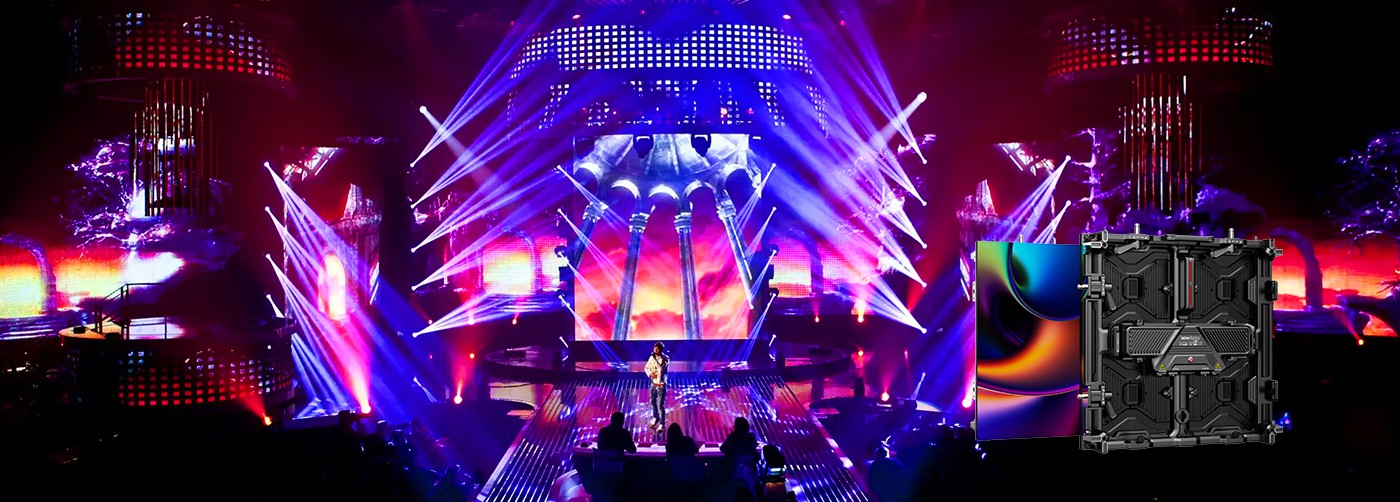
4. Application Value
Enhanced Audience Experience
The screen can slowly rise and fall or rapidly change in time with the music, creating powerful stage effects and enhancing audience immersion.
Improved Stage Space Utilization
The screen can be raised or lowered, allowing for the changing of stage settings as needed, providing greater stage flexibility.
Meeting Diverse Performance Needs
The same equipment can be used for various performance formats, reducing costs for event organizers.
Enhancing Brand and Event Identity
At business launches or high-end ceremonies, a tilting large screen can project a sense of technology and professionalism, enhancing the overall image.
5. Typical Application Scenarios
Concerts/Music Festivals
The main or split screens rise and fall with the rhythm of the music, creating a climactic atmosphere.
Awards Ceremonies/Galas
The screen rises and falls in sync with the awards ceremony, creating a sense of mystery and ceremony.
Product Launches
During product launches, the LED screen slowly rises, enhancing the stage effect and visual impact.
Sports Opening Ceremonies/Large Celebrations
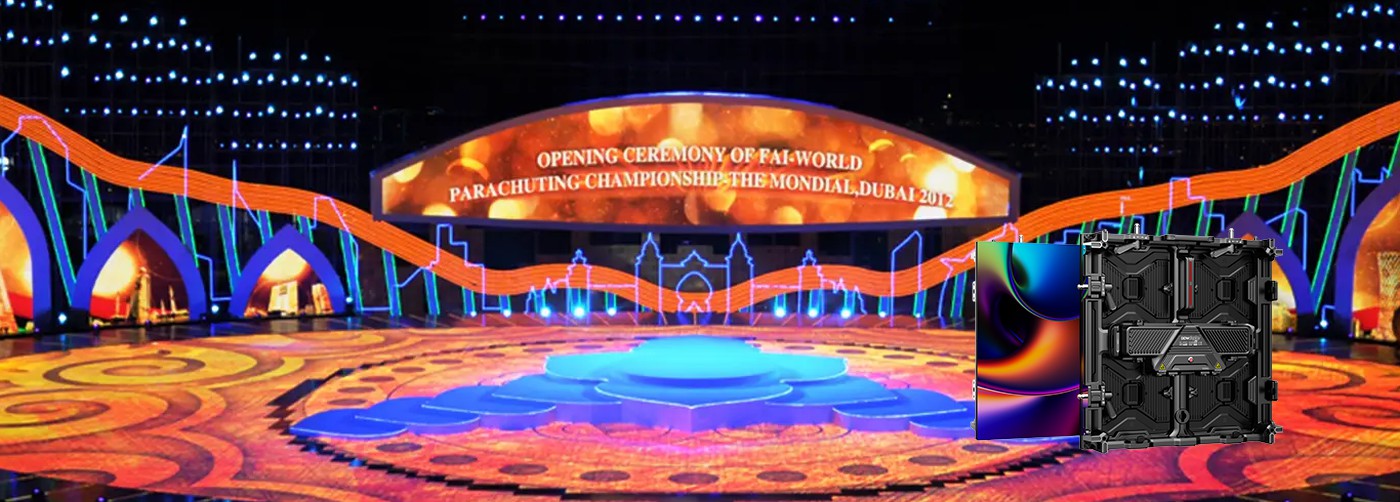
The tilting screen combines with stage props to create a large, dynamic stage setting.
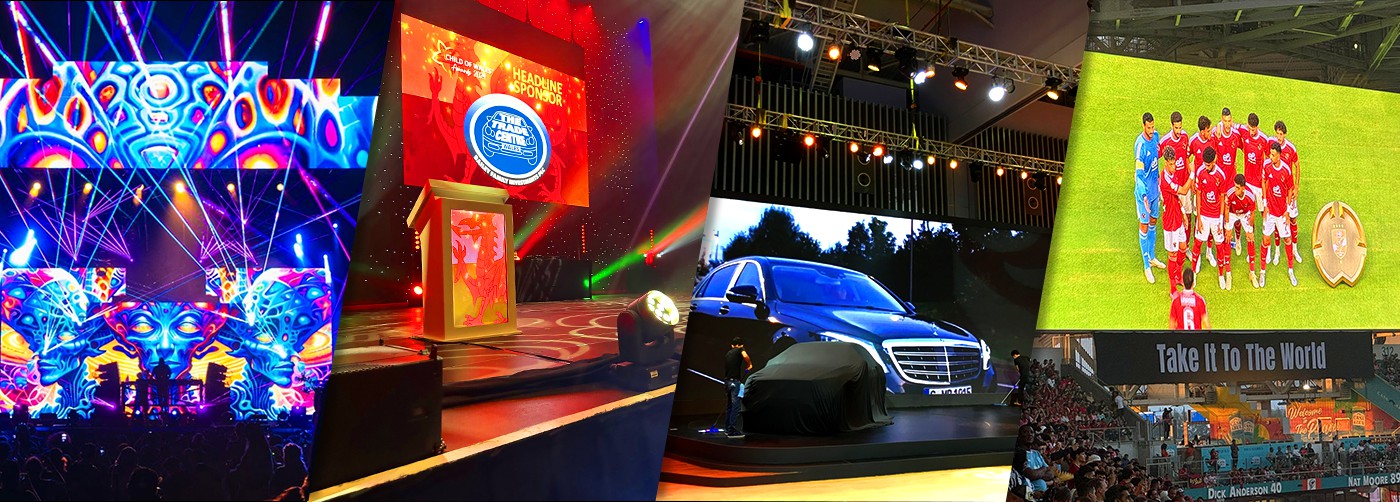
Combining visual impact, flexibility, and safety, tilting LED screens are one of the most representative mechanical LED screens for rental event stage design.
They not only display high-definition content but also create atmosphere through their upward and downward movement, making them the preferred choice for performance companies, exhibition organizers, and stage designers.
Preparing for the Setup of a Large Rental LED Display Using the D Series
Diverse Applications of Rental LED Screens in Events and Commercial Activities
Related Article